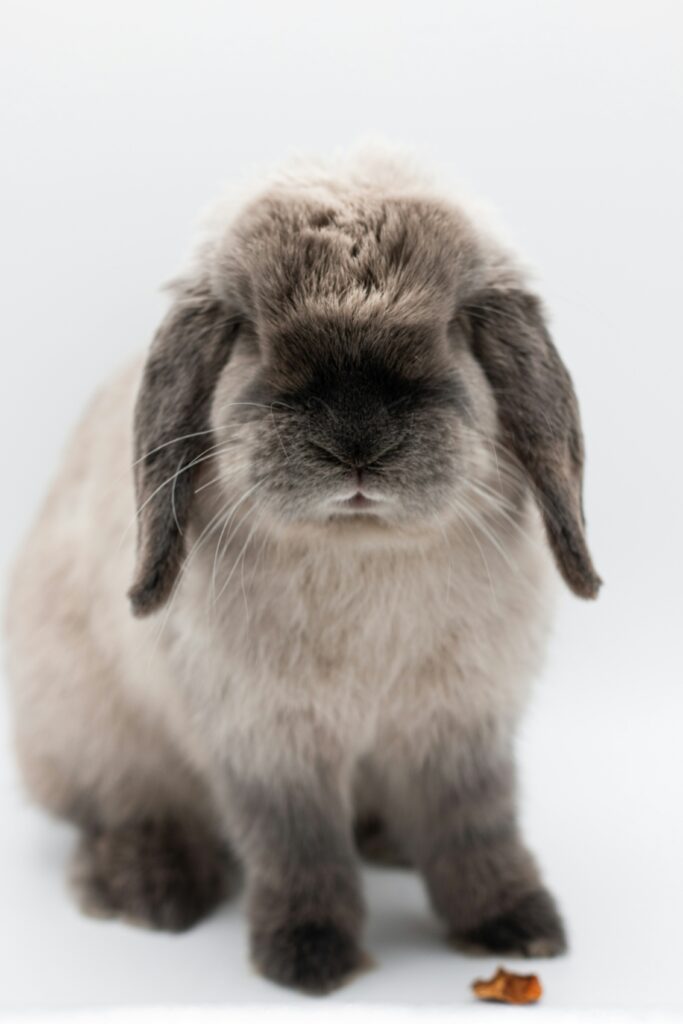
Caring for Your Rabbit
Are you welcoming a rabbit into your home soon, or have you recently adopted one? Rabbits are curious, intelligent and social animals. With the right diet, housing and care, you can help your rabbit grow up healthy and enjoy a good quality of life.
On this page, we have brought together the most important information about rabbit care and health. If you have any questions after reading, our team will be happy to help.
Keeping a Rabbit as a Pet
Before bringing a rabbit into your home, it is important to understand its needs. With good care, rabbits can live for an average of 8 to 12 years. Keeping a rabbit is therefore a long-term commitment.
Here are a few important things to consider:
- Rabbits need companionship. Rabbits are social animals and should live with another rabbit. A rabbit that lives alone may feel lonely and experience stress. That is why it is important to keep rabbits with a suitable companion, preferably a neutered male and a female. This allows them to keep each other company and express their natural behaviours. However, you should never simply put two unfamiliar rabbits together. Rabbits need to be introduced to each other properly, allowing them to get used to one another gradually and reducing the risk of conflict. For more information about choosing a suitable companion and introducing rabbits to each other, visit the LICG website: Bonding rabbits: why and with whom?
- Rabbits need plenty of space. A small hutch is not enough. They need sufficient space every day to run, jump, dig and display their natural behaviours.
- Rabbits are prey animals. They startle easily and generally do not enjoy being picked up. Give your rabbit time to get used to you and always approach calmly.
- Consider the costs. In addition to food and housing, you will need to budget for vaccinations, routine health checks and any necessary veterinary treatment.
Vaccinations for Rabbits
Rabbits often show signs of illness only at a late stage. It is therefore important to protect your rabbit against serious infectious diseases and to arrange regular health checks with a vet.
Which diseases do we vaccinate against?
We vaccinate rabbits against two serious viral diseases: myxomatosis and rabbit haemorrhagic disease (RHD). The vaccine protects against both RHDV1 and RHDV2. Both diseases can be severe and are unfortunately often fatal. Vaccination significantly reduces the risk of your rabbit contracting these diseases.
Your rabbit can be vaccinated from 5 weeks of age. After vaccination, it takes approximately 3 weeks for sufficient immunity to develop. We recommend annual vaccination to maintain protection.
Don’t Forget to Vaccinate Your Indoor Rabbit
Rabbits that live exclusively indoors also need to be vaccinated. Viruses can be transmitted by insects, contaminated food or materials, and even via your hands or the soles of your shoes. Keeping your rabbit indoors therefore does not provide complete protection against these diseases.
Nutrition
A proper diet is essential for a healthy rabbit. The teeth and digestive system, in particular, depend on an adequate intake of fibre. An unsuitable diet can lead to dental problems, obesity and serious digestive issues.
Ideally, your rabbit’s diet should consist of the following:
Hay
Hay is the foundation of your rabbit’s diet and should always be available in unlimited quantities. It contains plenty of fibre, which supports digestion and helps the teeth wear down naturally. Make sure the hay smells fresh and is not damp or mouldy.
Vegetables and herbs
In addition to hay, you can offer a variety of suitable vegetables and herbs every day, such as chicory, endive and fresh herbs. Introduce new vegetables gradually and in small quantities to allow your rabbit’s digestive system to adjust.
Rabbit pellets
You can supplement hay with a limited amount of high-quality rabbit pellets. Choose uniform pellets rather than muesli-style mixes, so your rabbit cannot pick out only its favourite ingredients.
Contrary to what many people think, rabbits need only a small amount of pellets. As a general guideline, their diet should consist of 80% hay, 15% vegetables and herbs, and 5% pellets. This equates to approximately 20 grams of pellets per kilogram of body weight per day. We recommend a uniform pellet feed, such as Science Selective Rabbit Food.
Water
Always provide unlimited access to clean, fresh drinking water. Check daily that your rabbit is drinking and that its water supply is working properly.
What should you avoid feeding your rabbit?
Avoid giving your rabbit too much fruit, carrot or other sugary treats. Bread, dairy products, sweets and muesli-style feeds containing lots of coloured pieces are also unsuitable as staple foods.
Never feed your rabbit freshly cut grass from a lawnmower, as it can ferment quickly and cause digestive problems. You should also avoid mineral or salt lick stones. These contain high levels of calcium and can contribute to urinary problems.
If you are unsure about the right diet or how much to feed your rabbit, we will be happy to advise you.
Neutering and Spaying
Rabbits can reproduce at a very young age. It is therefore important to consider neutering or spaying in good time, especially if you plan to keep more than one rabbit.
Neutering a male rabbit
Male rabbits can generally be neutered at around 4 to 5 months of age. By this stage, their testicles should have descended and they are almost fully grown. Please bear in mind that male rabbits can remain fertile for up to 4 weeks after the procedure.
In male rabbits, also known as bucks, the hormone testosterone can contribute to unwanted behaviours such as urine spraying, aggression and dominance. Neutering can help reduce these behaviours and may stop urine spraying. It also prevents the male from impregnating a female rabbit, known as a doe.
Spaying a female rabbit
At De Dierenkliniek, we recommend considering this procedure at around 9 months of age, depending on your rabbit’s development and general health.
During the procedure, we remove both the ovaries and the entire uterus. This prevents unwanted pregnancies and reduces the risk of uterine diseases, including uterine cancer. As the procedure requires general anaesthesia, we will discuss your rabbit’s health, the benefits and the potential risks with you beforehand.
Would you like to keep two rabbits together? We will be happy to advise you on suitable pairings and the best time for neutering.
Housing and Exercise
Rabbits need much more than just a hutch. They require enough space to run, jump, stand upright and display their natural behaviours. A spacious, secure enclosure with an exercise area is therefore essential.
When setting up your rabbit’s living space, keep the following in mind:
- Provide plenty of room to move around, both indoors and outdoors.
- Offer hiding places where your rabbit can retreat and feel safe.
- Always provide plenty of hay and safe items to chew on, such as suitable willow or hazel branches.
- Make sure your rabbit has a clean, dry resting area and check the enclosure daily.
- Protect outdoor rabbits from hot weather, draughts, rain and predators.
- For indoor rabbits, keep electrical cables, toxic plants and other potentially dangerous objects out of reach.
Rabbits can be kept indoors or outdoors, provided their accommodation is safe, well designed and meets their needs.
Teeth and Nails
A rabbit’s teeth grow continuously throughout its life. Eating plenty of fibre-rich food, particularly hay and grass, and chewing on suitable materials help the teeth wear down naturally.
Nevertheless, dental problems are common in rabbits. Watch for signs such as eating less, being selective about food, drooling, weight loss or wet fur around the mouth. These may indicate pain or dental issues.
A rabbit’s nails also grow continuously. If they do not wear down sufficiently, they can become too long and cause difficulty walking. Check your rabbit’s nails regularly and have them trimmed when necessary.
Health Checks
Rabbits are prey animals and often hide signs of pain or illness until the condition has become more advanced. It is therefore important to check your rabbit regularly and take changes in behaviour, appetite or droppings seriously.
Keep an eye on the following:
- Is your rabbit eating enough hay and other food?
- Is your rabbit producing normal droppings?
- Is your rabbit active and behaving as usual?
- Are the eyes and nose clean?
- Is the coat clean, without wounds or bald patches?
- Are the nails a suitable length, and is your rabbit walking normally?
We recommend having your rabbit checked regularly by a vet. During a health check, we can assess your rabbit’s teeth, weight, skin and coat, as well as its general condition.
Important: if your rabbit stops eating or produces significantly fewer droppings or none at all, contact a vet immediately. Digestive problems in rabbits can become serious very quickly. Do not wait until the following day.
Breathing difficulties, extreme lethargy, a tilted head, a swollen abdomen or maggots in the fur are also reasons to seek immediate veterinary attention.
Coat Care
The amount of grooming your rabbit needs depends on its coat. Short-haired rabbits generally require less grooming than long-haired rabbits. During moulting, it is particularly important to gently remove loose fur regularly.
Long-haired rabbits often need daily grooming to prevent matting. Mats can be painful and cause skin problems.
Check your rabbit’s hindquarters regularly, too. Faeces or urine trapped in the fur can irritate the skin and attract flies. This increases the risk of flystrike (myiasis), a serious condition in which fly larvae damage the skin.
If you notice maggots on your rabbit, contact a vet immediately.
In Conclusion
Rabbits have specific needs and are more vulnerable than many people realise. By providing the right diet, plenty of space, companionship and regular preventive healthcare, you can help prevent many health problems.
Do you have any questions about rabbit care, vaccinations or neutering? Please feel free to contact one of our clinics. We will be happy to help you keep your rabbit as healthy and comfortable as possible.

Our clinics
Did you know we have several clinic locations?
Read more