Hip dysplasia
What is hip dysplasia in dogs?
Hip dysplasia (HD) is a condition affecting the hip joints that is unfortunately quite common in dogs. The term ‘dysplasia’ refers to abnormal development of a joint, meaning that the different parts of the joint do not fit together properly. This can cause pain and difficulty walking.
Hip dysplasia is most commonly seen in larger dog breeds, although it can occur in dogs of any size.
How does hip dysplasia develop in dogs?
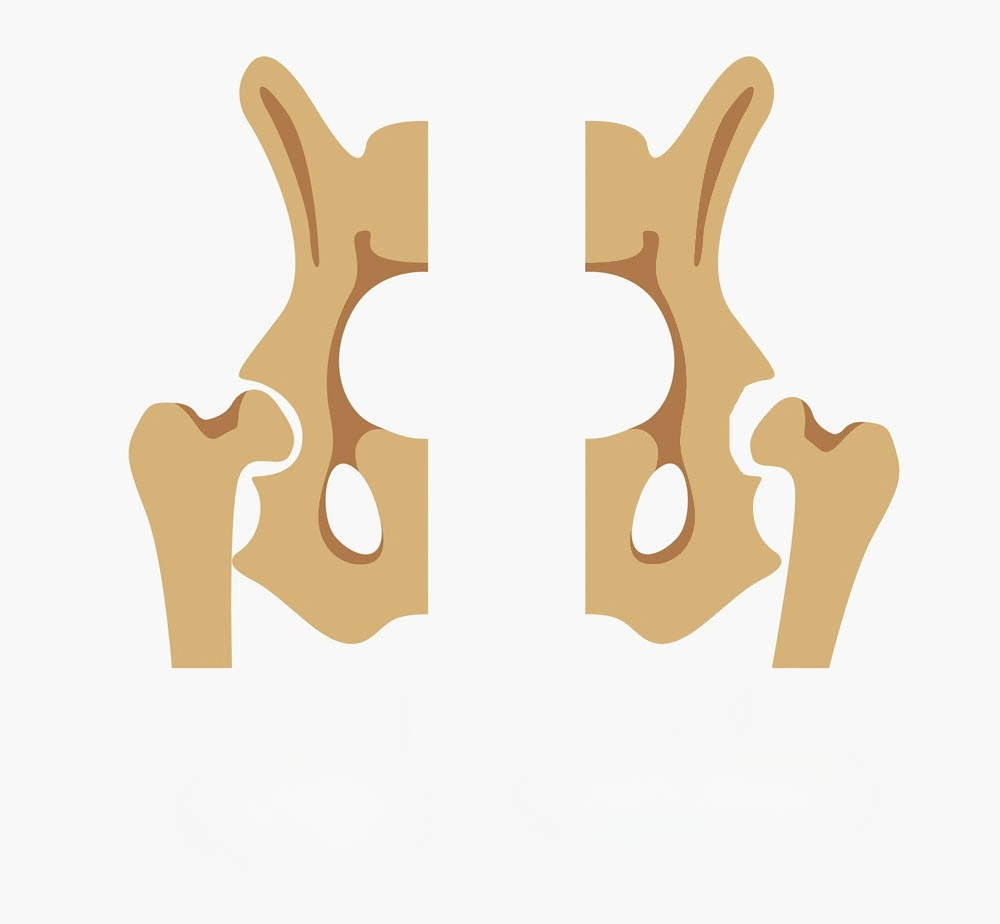
A dog’s hip joints develop during the first 12 months of life. The hip joint consists of a rounded ball at the top of the thigh bone (femur), which fits into the hip socket. The joint is surrounded by synovial fluid, which helps the joint move smoothly. A strong joint capsule surrounds the joint and helps keep everything securely in place.
Normally, the ball fits snugly into the hip socket and the joint is stable. In dogs that are predisposed to hip dysplasia, however, the joint capsule may be too loose. This causes the hip joint to become unstable and the ball no longer fits properly into the socket.
The resulting movement within the joint can damage the cartilage, eventually leading to osteoarthritis. Over time, the joint capsule becomes thicker and less flexible, further reducing the range of motion in the joint. This can be a painful condition.
The predisposition to excessive looseness in the hip joint is hereditary, but other factors can also influence the development of hip dysplasia. Too much or inappropriate exercise at a young age, rapid growth, being overweight and an unsuitable diet can all have a negative effect on the development of the hip joint.
Symptoms of hip dysplasia
Symptomen van heupdysplasie bij de hond kunnen voorkomen bij hele jonge, of juist bij oudere Symptoms of hip dysplasia can occur in both very young and older dogs. In young dogs, signs often start to appear between four and ten months of age. Common symptoms include:
- Less interest in playing
- Difficulty getting up
- Sitting or lying down sooner than expected after exercise
- Occasional lameness
- A pronounced swaying gait
In dogs over six years of age, the most common symptoms include:
- Stiffness when getting up
- Reluctance to go for walks
- Difficulty jumping and/or climbing stairs
Symptoms are often most noticeable when the dog first starts moving and may improve as the dog gets warmed up and moving.
Diagnosis
Hip dysplasia is diagnosed based on a physical examination and/or X-rays of the hips. It is important for your dog to remain completely still during the X-rays to obtain clear images, so a light sedative may sometimes be needed.
If your dog is showing any of the symptoms described above, we recommend taking X-rays of the hips, regardless of your dog’s age. If you want to have your dog screened for hip dysplasia as a precaution, it is generally better to wait until your dog has finished growing before taking the X-rays.
How is hip dysplasia treated?
There are several treatment options for hip dysplasia, including:
- Orthopaedic surgery
- Nutritional support and supplements
- Physiotherapy and/or medication
The most appropriate treatment depends on the severity of the condition, as well as your dog’s age and overall health.
Do you have concerns about your dog’s hips or notice any of the symptoms described above? We are happy to help. Contact us or make an appointment with one of our veterinarians.