Parvovirus in dogs
Canine parvovirus, or parvo, is a highly contagious and serious virus that mainly affects puppies and young dogs. If your dog becomes infected with parvovirus, intensive treatment is necessary.
What is parvovirus in dogs?
Parvo is a highly contagious and life-threatening virus. It spreads through the feces and vomit of infected dogs. The virus is very resilient and can only be killed in the environment by strong disinfectants. It can survive in the surroundings for months to years.
In our country, different types of parvovirus occur, namely CPV-2a, CPV-2b, CPV-2c, and CPV-2d. The CPV-2d type is a very aggressive variant of the virus, but fortunately, it is rarely seen in the Netherlands.
Parvo mainly affects puppies
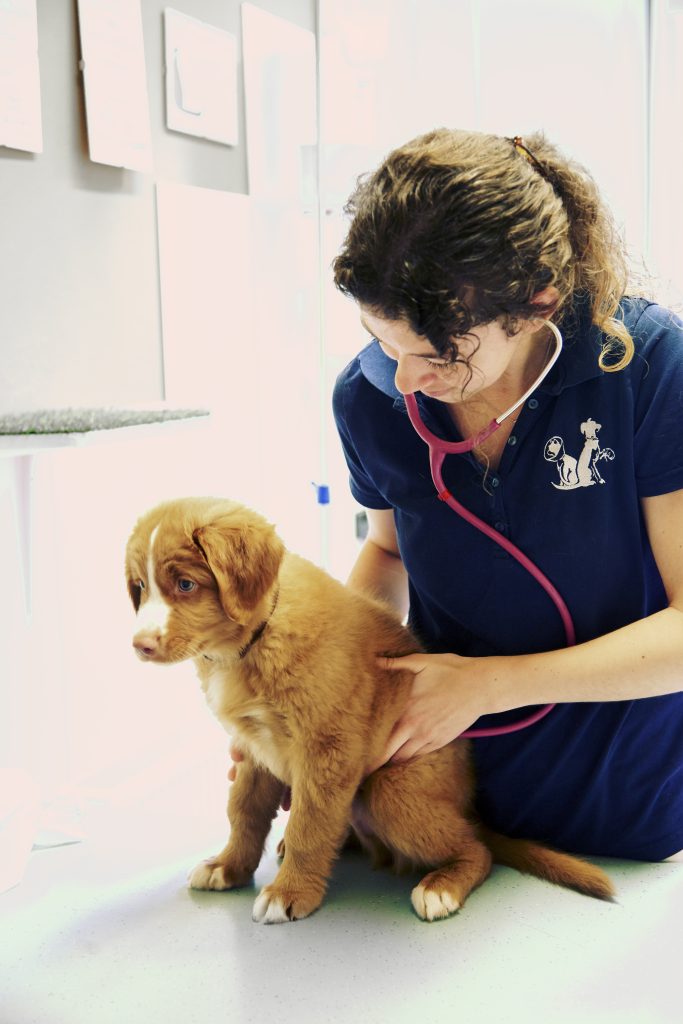
Parvo mainly affects puppies and young dogs up to 6 months of age. However, it is important to remain alert, as older dogs can theoretically also become infected. The reason it primarily affects puppies is that each puppy has a period in which it is insufficiently protected. Initially, a puppy has antibodies from the mother’s milk that provide protection. These antibodies gradually disappear as the puppy grows older. Only after vaccination does the puppy develop long-lasting immunity. In the meantime, there is a period during which the puppy has insufficient protection and is vulnerable to the virus.
What are the symptoms of parvovirus?
The symptoms caused by parvovirus in dogs include:
- Diarrhea (sometimes bloody)
- Vomiting (sometimes with blood)
- Lethargy
- Muscle weakness
- Fever
- Dehydration as a result of vomiting and diarrhea
In addition, the virus attacks white blood cells. This lowers the immune system, making the dog more susceptible to other viruses and bacteria.
How does a dog become infected with parvovirus?
Dogs can become infected with parvovirus through both direct and indirect contact. Direct contact means they catch the virus from another infected dog. Parvovirus can remain resistant for up to a year, which means a dog can also become infected through indirect contact. This includes drinking from contaminated water bowls or sniffing or licking contaminated feces or vomit.
Diagnosis of parvovirus
If you suspect that your dog is infected with parvovirus, it is advised to contact a veterinarian as soon as possible. A fecal test can quickly determine whether the dog is indeed infected with parvovirus.
Treatment of parvovirus
Unfortunately, there is no medication that directly kills the parvovirus. Treatment is therefore symptomatic, meaning we focus on managing the symptoms of the virus. Treatment may include:
- Medications for vomiting and diarrhea
- Intravenous or fluid therapy
- Forced or tube feeding
- Broad-spectrum antibiotics (due to low white blood cell count)
- Plasma or blood transfusions
- Medications to support the immune system
Because parvo is highly contagious, infected dogs are placed in quarantine. This means the dog is treated in a separate area, away from other dogs. Even after recovery, the virus can still be shed for up to 2 weeks. It is therefore advised to keep the dog in quarantine during this period. After recovery and quarantine, we recommend thoroughly washing the dog due to the virus’s resilience in the environment.
What is the prognosis for parvovirus?
Your dog must fight the virus on its own, and we do everything we can to support them. The chances of recovery depend on the severity of the disease and symptoms, the dog’s overall condition, and the quality of care. Unfortunately, treating a dog with parvo is a long and intensive process with an uncertain outcome.
Prevent parvovirus infection through vaccination
Given the severity of parvovirus, it is important to prevent your dog from becoming infected. The best prevention is to vaccinate your puppy according to the proper vaccination schedule. The vaccine helps the puppy produce antibodies against the virus, building immunity. Additionally, continue to follow the vaccination schedule for adult dogs.
We advise avoiding contact with sick dogs and busy dog areas until your puppy has received all vaccinations.
Adolescent check-up
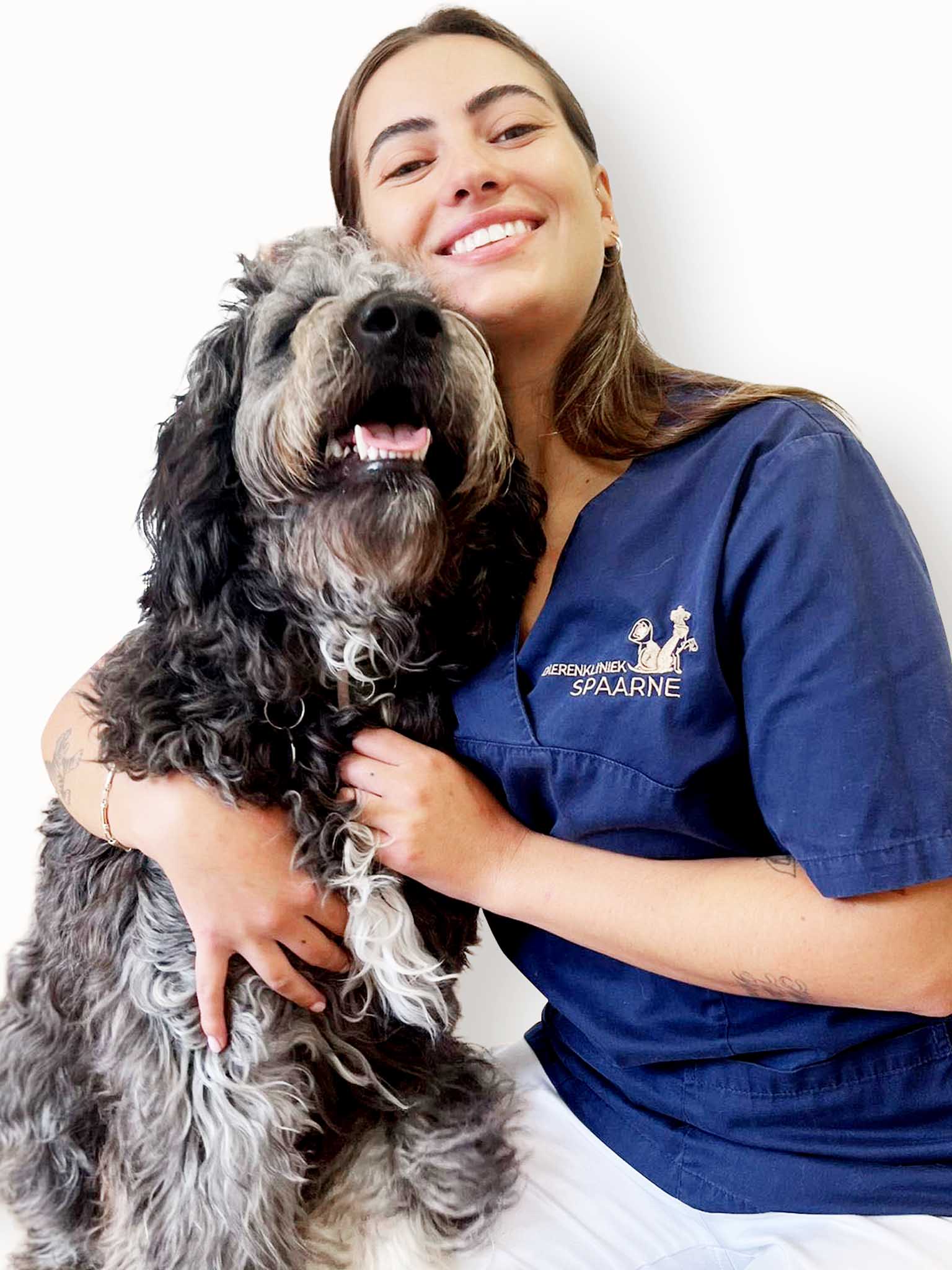
Is your dog around 6 months old and would you like to make sure everything is going well? Schedule an Adolescent check-up with one of our veterinary assistants. We will go through everything with you and even trim your loyal companion’s nails.