
When is it too hot for my rabbit?
It’s (almost) summer! Time to enjoy the sunshine. On these warm days, however, we need to keep our rabbit friends in mind, as they can overheat quickly. Read all about it here.
Rabbits and heat
Rabbits are very sensitive to heat. They are unable to sweat or pant to cool themselves down. At temperatures above 20 degrees Celsius, they may already start to suffer from the heat. Sadly, many rabbits still die each year as a result of overheating. It is therefore very important to keep a close eye on your rabbit during warm days.
In the wild, rabbits retreat into their underground burrows when temperatures outside become too high. Underground it is always cooler, usually between 10 and 20 degrees Celsius during summer, which helps protect them from the heat. Our pet rabbits do not have this option. They can lose heat by flapping their ears or by breathing with their mouths open. If a rabbit is breathing with an open mouth, it is already too hot. This is a clear sign that immediate action is required. You can read how to do this further on this page.
How do you know if a rabbit is overheated?
When the ambient temperature around a rabbit reaches 27 degrees Celsius or higher, they may suffer from overheating. A rabbit’s normal body temperature is between 38 and 39.5 degrees Celsius. A rabbit is considered overheated when its body temperature reaches 40 degrees Celsius or higher. Overheating is extremely dangerous for rabbits and can be fatal.
What symptoms does a rabbit show when overheated?
The symptoms a rabbit may show when suffering from overheating include:
- Lying stretched out with the eyes half closed
- Lethargy
- Breathing with the mouth open
- Drooling
- Ears that feel warm to the touch
- Rapid breathing and heart rate
What should you do if a rabbit is overheated?
If you suspect that your rabbit is overheated, contact a veterinarian immediately. You can also measure your rabbit’s body temperature yourself. If it is higher than 40 degrees Celsius, the rabbit is indeed suffering from overheating or heat stroke and is in a life-threatening situation.
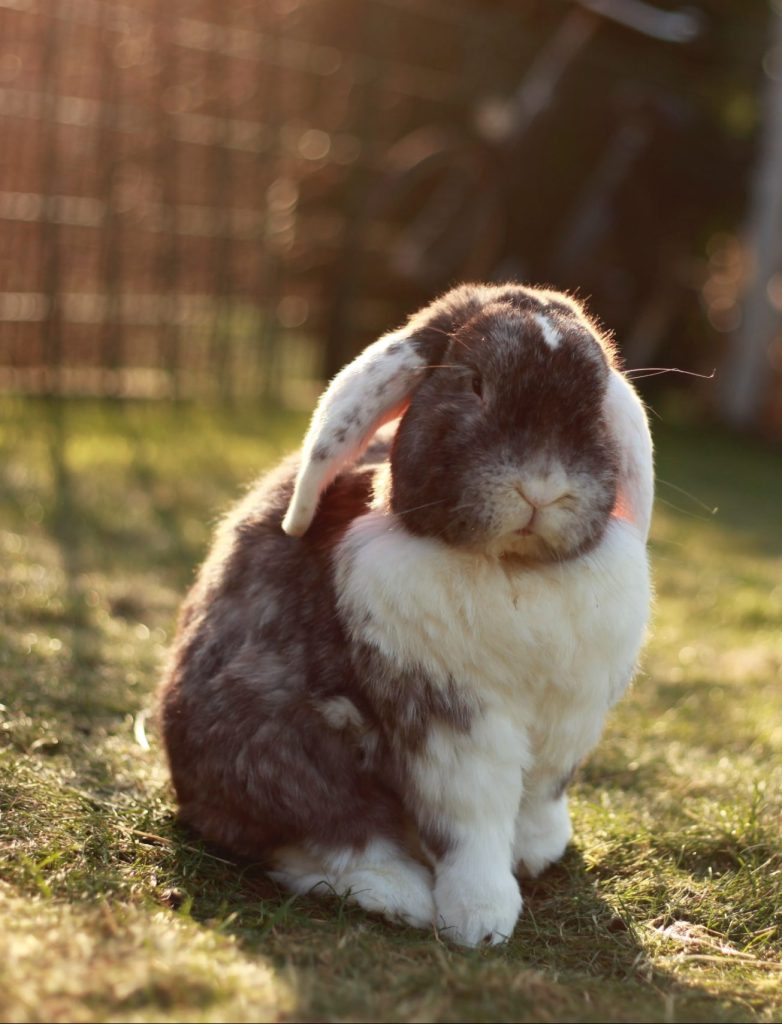
What should you do if a rabbit is overheated?
- Move the rabbit immediately to a cool place.
- Gently wet the ears with lukewarm water. Never use ice-cold water. Using very cold water can cause the blood vessels to constrict, preventing the rabbit from losing heat. Do not wet the entire rabbit at once, as this may cause stress and worsen the situation. You may gradually wet the belly and paws if needed.
- If your rabbit is conscious, try to encourage him or her to drink lukewarm water. If necessary, you can carefully give small amounts using a syringe.
- Continue the treatment until your rabbit’s body temperature has returned to normal and it starts eating and drinking again. Afterwards, make sure the rabbit has access to a cool place to rest.
Tips for rabbits in warm weather
- Make sure your rabbit’s hutch is never placed in direct sunlight.
- You can cover the hutch or run with (damp) white sheets, but ensure there is still airflow—avoid covering the entrance.
- Provide plenty of shaded areas where your rabbit can retreat.
- Always ensure your rabbit has access to clean drinking water.
- Some rabbits enjoy lying in the sun. In hot weather, try to prevent them from staying in the sun for too long.
- Clear a section of the hutch floor to give your rabbit a cooler spot to lie on. You can also place a cool pack or a bottle of cold water in the hutch for your rabbit to lean against. Do not use cooling packs that your rabbit can easily chew. Special cooling mats for pets are also available.
- Never leave your rabbit in a car, tent, or caravan, as temperatures can rise very quickly.
- Gently wet your rabbit’s ears with lukewarm water.
- If your rabbit lives indoors, make sure there are also cool spots where it can retreat.
Flystrike
Warm days also bring another risk for rabbits: flystrike, also known as myiasis. In the summer, there are more flies, which can be attracted to the smell of a rabbit’s urine and droppings. These flies may lay eggs in the rabbit’s fur, usually around the anus. The eggs hatch into maggots, which can burrow into the rabbit’s skin. During summer, it is therefore especially important to maintain good hygiene for both your rabbit and its hutch!
Do you have any questions about this topic? Please don’t hesitate to contact us!